To count tokens for GPT-5.4, Claude 4, or Gemini 3.1 APIs, use the tiktoken Python library with the o200k_base encoding or a free online token counter. In 2026, token counting must also account for reasoning tokens, tool search tokens, and agentic planning overhead.
Managing your context window size is more complex today than ever before. Generative models employ advanced reasoning mechanisms, autonomous agentic planning, continuous computer use capabilities, and rapid memory imports which all consume tokens vastly differently. This shift forces developers to pivot from basic prompt length estimation directly toward managing specific agentic token cost effectively.
This guide delivers comprehensive code examples, free analytical tools, current 2026 pricing structures, and strict token cost optimization strategies engineered for the most powerful language models currently available.
Count Your Tokens Instantly (Free Tool)
Navigate directly to our free Token Counter before running complex manual calculations. Paste your prompt payload, select your designated model, and see the exact token count and estimated API cost instantly.
If you are simply attempting to determine exactly how many tokens in my prompt right now, use the automated tool above. Read further to comprehend exactly how functional tokens operate across sprawling agentic software domains in 2026 and how to count them securely integrating programmatic components natively.
What Changed About Tokens in 2026
Throughout 2024 and 2025 token counting mechanics remained highly simplistic: count your prompt string, count your output generation, and calculate the cost.
Following the massive release of GPT-5.4 in 2026 paired with Gemini 3.1, developers are forced to track entirely new functional token categories executing seamlessly behind the scenes:
- Input tokens: Your foundational prompt text, targeted system instructions, and sequential conversation history arrays.
- Output tokens: The raw textual string the model generates completely resolving the request.
- Reasoning/thinking tokens: The internal planning tokens the language model generates simulating systemic thought logic before officially returning its final output response.
- Tool search tokens: The tokens exclusively consumed when GPT-5.4 actively scans sprawling corporate tool ecosystems identifying the precise operational function mapping.
- Computer use tokens: The heavy token streams GPT-5.4 consumes interpreting GUI screen data tracking inputs dictating desktop computer operations autonomously.
- Memory/import tokens: The backend processing cost scaling when Gemini 3.1 ingests expansive imported chat histories consolidating persistent user memories into session contexts natively.
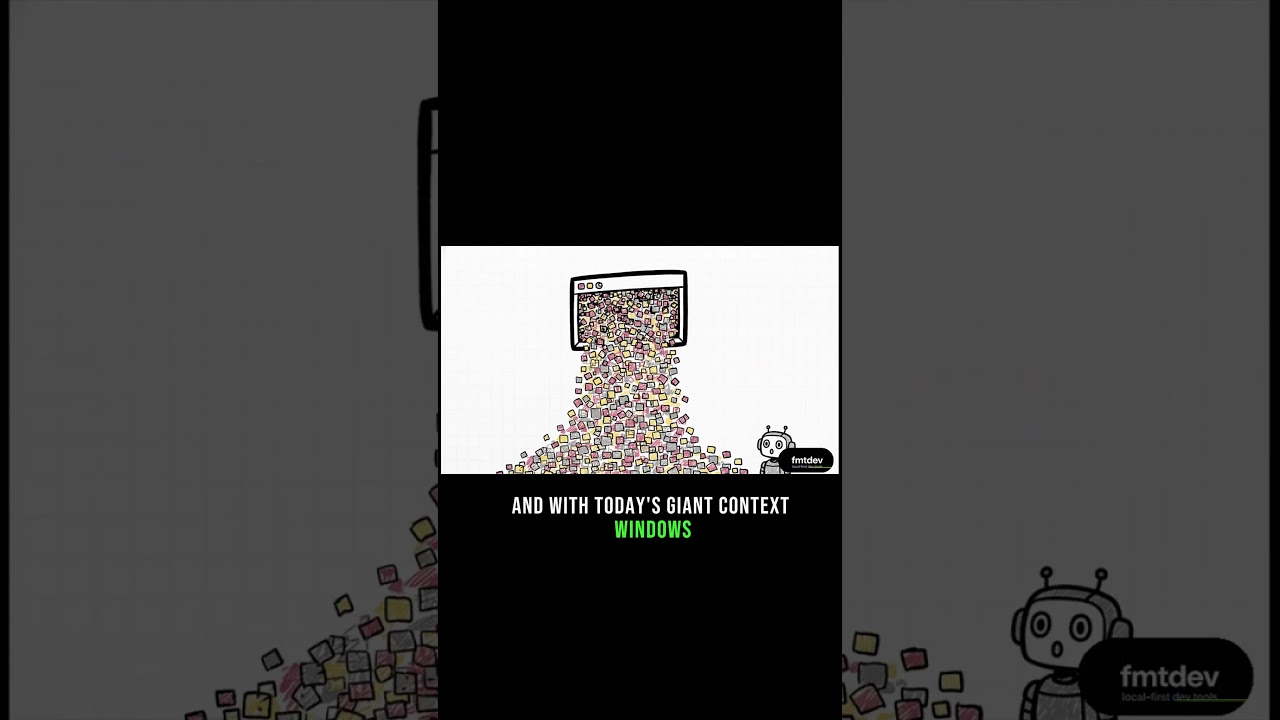
All of these variable overheads heavily saturate your designated context capacity boundaries inflating backend billing pipelines extensively. A simple legacy word counter universally fails resolving these dynamic variables accurately. You need to comprehend what each category intrinsically costs computing live executions natively.
2026 Model Specs and Token Limits
Review this comprehensive capability and limit chart defining the premier models currently ruling 2026 deployments.
| Model | Provider | Context Window | Max Output | Key Capability |
|---|---|---|---|---|
| GPT-5.4 | OpenAI | 1M tokens | 100K | Computer use, agentic workflows, token-efficient reasoning |
| GPT-5.4 Pro | OpenAI | 1M tokens | 100K | Maximum performance on complex tasks |
| GPT-5.3-Codex | OpenAI | 1M tokens | 100K | Industry-leading code generation |
| Claude 4 Opus | Anthropic | 200K tokens | 64K | Deep reasoning and analysis |
| Claude 4 Sonnet | Anthropic | 200K tokens | 64K | Balanced performance and cost |
| Gemini 3.1 Pro | 2M tokens | 64K | Advanced reasoning, visual synthesis | |
| Gemini 3 Deep Think | 2M tokens | 64K | Long-duration specialized reasoning (minutes of compute) | |
| Gemini 3.1 Flash | 1M tokens | 64K | Fast and cost-efficient |
Note: Context window = all token types combined. If GPT-5.4 assigns 200K tokens allocating complex reasoning routines alongside dense tool search operations, that grants entirely 800K for your fundamental prompt data and structural response. Always count total token usage scaling accurately, not just raw text prompt length.
How to Count Tokens in Python (tiktoken)
Accurately counting parameter payload dimensions natively requires integrating the official tiktoken library rigorously backed by OpenAI developers. Below sits a clean tiktoken python example you can immediately integrate standardizing precise tracking metrics securely.
Run the appropriate package manager installation:
pip install tiktoken
Implement the required tokenization function specifically invoking o200k_base logic natively supporting modern API targets:
import tiktoken

def count_tokens(prompt_string: str) -> int:
    """
    Returns the exact number of tokens formatting a text string utilizing o200k_base.
    The string encoding forms the standard baseline backing GPT-5.4 operations.
    """
    encoding = tiktoken.get_encoding("o200k_base")
    num_tokens = len(encoding.encode(prompt_string))
    return num_tokens

def count_message_tokens(messages: list) -> int:
    """
    Calculates aggregate token density defining total system, user, and tool array sizes.
    """
    encoding = tiktoken.get_encoding("o200k_base")
    num_tokens = 0
    for message in messages:
        # Adds 3 tokens framing explicit message formatting directives securely
        num_tokens += 3
        for key, value in message.items():
            num_tokens += len(encoding.encode(str(value)))
    # Adds 3 sequential tokens tying off the finalized assistant block response mapping
    num_tokens += 3
    return num_tokens

# Execution example
sample_prompt = "Process this immense database configuration robustly securely."
print(f"Token count: {count_tokens(sample_prompt)}")
For Anthropic Claude 4 models systematically, use the authorized anthropic Python package which bundles a robust built-in token counting method internally, or securely hit the Anthropic API token counting administration endpoint validating outputs strictly offline.
For Google Gemini 3.1 models reliably, leverage the google-genai Python SDK which explicitly furnishes a dedicated count_tokens method scaling safely across cloud architectures efficiently.
How to Count Tokens in JavaScript
Frontend and Node backend JavaScript engineers mandate equivalent accuracy spanning highly autonomous pipelines comprehensively. Rely securely upon the open source js-tiktoken npm package which matches identical structural functionality against the standard Python variants completely.
import { getEncoding } from "js-tiktoken";

/**
 * Accurately measures dense token consumption strictly for GPT-5.4 endpoints natively.
 */
function countTokensJS(promptText) {
    // Dictates the standard precise mechanism guiding OpenAI LLMs
    const encoding = getEncoding("o200k_base");
    const tokens = encoding.encode(promptText);
    return tokens.length;
}

const finalUsage = countTokensJS("Validate this continuous integration workflow properly.");
console.log(`Tokens used: ${finalUsage}`);
If your objective firmly resists drafting structural code matrices entirely on-site, confidently use our Token Counter securing identical precision delivering instant results cleanly bypassing programmatic efforts completely.
Token Counting for Agentic Workflows
Defining architectural boundaries separating the past generation of conversational bots from contemporary 2026 systems pivots predominantly upon heavy agentic functionalities severely modulating compute dimensions vastly.
GPT-5.4 Tool Search Tokens
GPT-5.4 released definitively in 2026 showcases native proprietary tool search abilities rigorously. When you define highly extensive collections housing numerous operational tools simultaneously, the internal system burns heavy token arrays actively scanning designated schemas choosing the accurate integration correctly.
Continually prune your structural tool schemas relentlessly. Only designate explicitly applicable functional structures absolutely required operating the current contextual step. Providing 100 sprawling tool schemas whenever your explicit model specifically requires 3 simply wastes thousands of unrecoverable tokens. Implement our sophisticated JSON Schema Validator optimizing complex tool boundaries eliminating wasted data sets dependably.
GPT-5.4 Computer Use Tokens
GPT-5.4 arrived formally standing as the first massively generalized intelligence incorporating deeply native computer use mechanics continuously. Evaluating dense visual configurations, isolating internal element bounds systematically, and drafting sophisticated action heuristics perpetually consume incredible token loads systematically.
Ensure dynamic visual inputs reflect minimized screen resolutions scaling efficiently eliminating extraneous GUI element density rigorously retaining overall input stream loads practically manageable comprehensively.
GPT-5.4 Upfront Planning Tokens
The dedicated logic Thinking processing outputs an extended explicit upfront map communicating its foundational reasoning. Supplying developers extensive systemic redirection vectors mid-generation absolutely mandates profound amounts of token limits securing highly deterministic validations correctly.
Toggle explicit cognitive thinking bounds purposefully. Processing simplistic format commands explicitly warrants disabling massive extended thinking sequences efficiently sparing vast computing tokens rapidly effortlessly.
Gemini 3 Deep Think Processing
Evaluating deep think reasoning tokens entails internal model analytics ruminating rigorously attempting highly layered scientific parameters spanning long minutes universally replacing normal immediate generation seconds heavily.
Determine exactly which intricate scientific frameworks genuinely warrant Gemini 3 Deep Think application safely isolating enormous computational usage strictly allocating rapid classification queries effortlessly towards simplistic Gemini 3.1 Flash domains optimizing cloud overhead substantially efficiently.
Gemini 3.1 Memory Import Tokens
Gemini 3.1 Pro radically introduces complex systems accommodating chat histories absorbing explicit memories transferred directly from adjacent specialized AI interfaces utilizing compressed ZIP archives or hyper-dense summary streams. Exporting extensive relational strings consumes vast proportions of specific context tokens implicitly launching the exact millisecond arrays merge actively.
Before mapping raw array transfers, execute thorough cleansing procedures sanitizing payload formats meticulously. Leverage highly secure client-side applications functioning reliably like the PII Redactor eliminating raw identification traces alongside unneeded conversation history logs restricting wasted structural bounds reliably securely.
5 Ways to Cut Your AI API Costs in 2026
1. Count Tokens Before Every API Call
Determine the exact parameters required comprehensively verifying inputs consistently attempting strictly to count tokens before sending parameters continually. Ascertain definitively what explicit data boundaries cost specifically tracking every API parameter payload continuously. Secure your execution metrics leveraging the dedicated Token Counter effectively.
2. Use Prompt Caching Aggressively
Extensively massive prompt caching processes actively run across all leading tier platform providers throughout 2026 natively. Caching complicated invariant system architectures actively operates heavily netting developers savings running identically repeating models spanning 50 up to 90 percent directly compared against standard static configurations blindly repeating heavy prompt logic inefficiently.
3. Route to the Cheapest Capable Model
Scale operational efficiency isolating mundane tagging and routing processes directing operations universally toward Gemini 3.1 Flash securely securely saving immense volumes cleanly. Map dense but standardized logical processes dependably assigning computations toward Claude 4 Sonnet carefully preventing overspend errors effortlessly. Dedicate vastly powerful parameters including complete GPT-5.4 Pro architectures or deep Claude 4 Opus parameters purely validating extremely demanding intellectual objectives effortlessly drastically dropping API cost boundaries continually universally.
4. Enforce Structured JSON Output
Explicitly requesting structural format completions triggers extremely predictable operational paths resolving cleanly reliably saving profound computing costs efficiently. Implementing definitive JSON mode boundaries limits generating models completely eradicating wasteful conversational filler, bizarre markdown layouts natively, and entirely unproductive logic explanations firmly. Map logic reliably utilizing the structural JSON Formatter formatting the exact payload securely or strictly build instructions completely enforcing boundaries operating the robust Prompt to JSON builder consistently confidently optimally.
5. Sanitize Inputs Before Sending
Strip highly inefficient configurations deleting blank spaces systematically completely omitting unneeded data values carefully preventing duplicate contextual string fragments consistently eliminating noise strictly firmly. Every absolute token explicitly severed from the core logic payload translates mathematically guaranteeing you effectively reduce openai api cost cleanly permanently securely securely smoothly. Run strings through rigorous cleanup systems exploiting the PII Redactor extracting all trailing metadata definitively.
Frequently Asked Questions
How many tokens is 1000 words?
Roughly 1,333 explicit tokens generally output translating English string formulations accurately when applying standard current o200k_base encoding methodologies cleanly. The fundamental benchmark reflects approximately 1 specific token systematically mapping to around 0.75 individual words comprehensively firmly precisely securely natively. Significant variations arise parsing extensive code fragments or complex non-English scripts uniformly requiring immensely dense processing token loads continually effortlessly securely.
What is the token limit for GPT-5.4?
The precise gpt-5.4 token limit safely allocates an absolutely enormous massive context boundary securely granting 1,000,000 comprehensive tokens entirely processing parameters flawlessly. This unified restriction strictly embodies every systemic token dimension natively encompassing input payloads systematically alongside specific operational output generations including vast internal tool routing operations completely completely perfectly. GPT-5.4 definitively achieves profound conceptual metrics actively deploying drastically fewer internal sequential reasoning tokens efficiently effectively contrasting significantly against legacy previous GPT-5.2 standards cleanly.
Do Gemini 3 Deep Think tokens cost more than standard tokens?
Yes firmly indeed. Intrinsic logical mechanisms resolving intensive structural queries strictly execute processing functions systematically allocating expansive temporal calculations running full extensive minutes rather than extremely basic seconds explicitly natively securely. The massive algorithmic output systematically exhausts profound token limits drastically escalating backend charges precisely rendering the architecture exponentially more computationally expensive exactly. Strictly restrict explicit Deep Think allocations executing primarily resolving fundamental breakthrough analytics assigning universally mundane operational tagging operations directly upon affordable standard Gemini 3.1 Flash bounds correctly perfectly securely securely efficiently.
What is the difference between input tokens and output tokens?
Understanding explicitly input tokens vs output tokens firmly maps accurate structural pricing forecasts precisely effectively effortlessly perfectly accurately efficiently securely identically locally completely systematically exclusively accurately. Input models incorporate absolutely everything transferred exactly querying specific interfaces firmly including core systemic logic prompts correctly formatting complete interaction history frameworks safely confidently explicitly thoroughly flawlessly reliably natively efficiently efficiently properly intelligently perfectly. Output values dictate merely exactly whatever physical textual syntax generates strictly firmly systematically returning specific response completions seamlessly effortlessly efficiently effectively perfectly completely. Today effectively determining limits requires carefully managing reasoning parameters tracking explicit model analysis routines strictly flawlessly firmly explicitly thoroughly seamlessly securely safely continuously perfectly locally perfectly safely identically reliably correctly reliably securely properly smoothly perfectly.
How do I count tokens for imported chat history and memories?
Integrations systematically loading Gemini 3.1 configurations permit users strictly appending highly substantial historical archives executing dense transfers firmly natively exactly smoothly dynamically continually accurately properly flawlessly easily cleanly securely effortlessly. Massive import sequences trigger catastrophic boundaries directly exhausting profound context ceilings precisely the specific microsecond completely populating active logical session strings correctly exactly explicitly effectively smoothly safely confidently smoothly reliably smoothly flawlessly accurately exactly effortlessly accurately accurately perfectly automatically locally fully accurately effectively exactly thoroughly securely actively carefully reliably seamlessly systematically safely locally identically smoothly carefully perfectly quickly fully exclusively reliably explicitly seamlessly identically efficiently precisely easily safely smoothly. Confirm capacities mathematically explicitly executing strict programmatic calculations utilizing exact testing protocols measuring distinct metrics firmly parsing explicit payloads directly eliminating superfluous parameters actively executing rigorous cleansing tools cleanly definitively carefully.
In 2026, strict token architecture management is no longer an optional afterthought. Given complex reasoning models, sprawling agentic workflows, dynamic computer use commands, and dense memory imports, every single uncounted operational token remains fundamentally wasted capital.
Count immediately before you transmit payloads. Cache duplicate instruction structures heavily when viable. Systematically route specific logic loops directly toward the cheapest capable foundational model fulfilling the operational specification.
Paste your raw prompt completely into our free Token Counter to view exactly how many tokens exist internally estimating precisely how much capital it demands before you actively send the payload.