The Account Takeover Reality Check
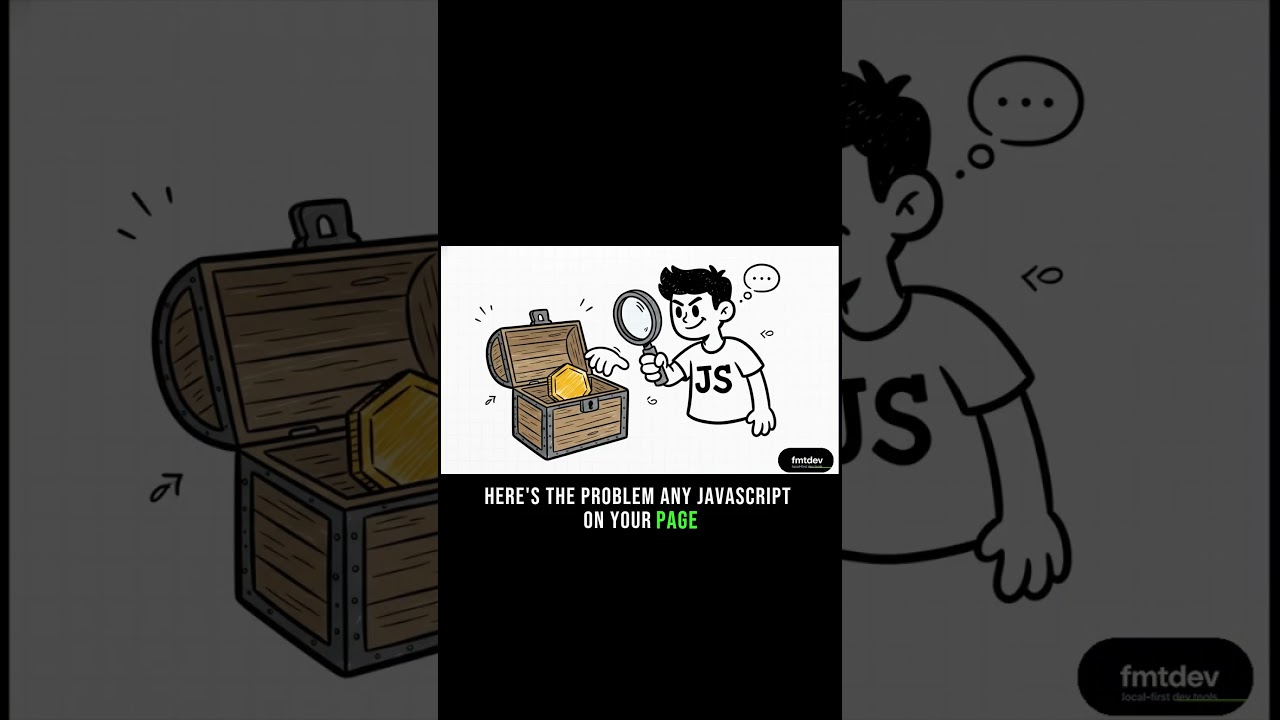
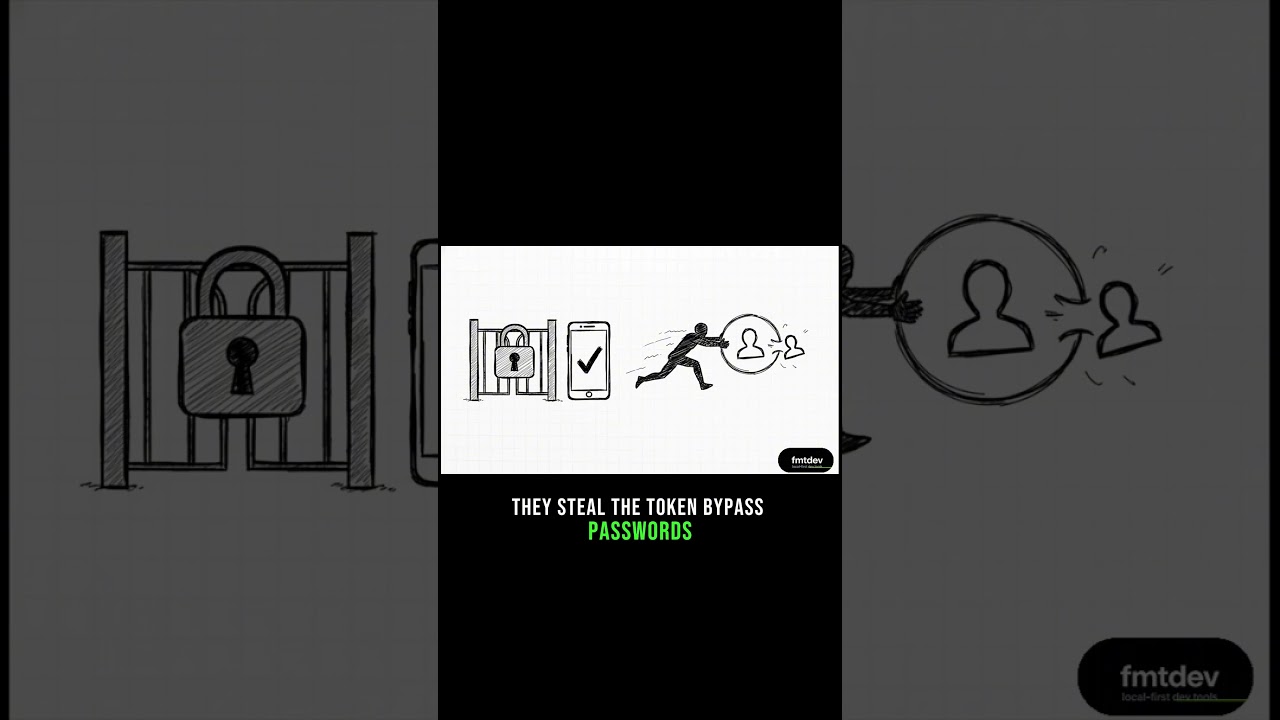
A single malicious NPM package can scan window.localStorage and exfiltrate every identity token in your application in less than 10 milliseconds. If you are still persisting JWTs in client-accessible storage in 2026, you aren’t building a security model; you’re practicing hope-based architecture.
In an era where AI agents are expected to intermediate $15 trillion in B2B spend by 2028, structural integrity is the only currency. Persisting credentials in localStorage is no longer a "developer trade-off"—it is architectural negligence.
Why is localStorage vulnerable to XSS?
The fundamental flaw of window.localStorage is the total absence of isolation. It is a shared bucket, fully accessible to any JavaScript executing within the same origin. When a Cross-Site Scripting (XSS) vulnerability occurs—via a compromised third-party dependency—the attacker gains the same programmatic access to your tokens as your own code.
The rise of agentic workflows has introduced sophisticated semantic injections. Accidental logic flaws in AI-produced code can create "silent" XSS vulnerabilities that traditional scanners miss, leading to mass exfiltration events.
The Architecture of Isolation: HttpOnly Cookies vs LocalStorage
Moving to HttpOnly cookies provides hardware-level isolation that localStorage cannot match.
| Criteria | localStorage | HttpOnly Cookies |
|---|---|---|
| Access Method | Programmatic (JavaScript) | Browser-Managed (Headers) |
| XSS Vulnerability | High (Tokens are exfiltratable) | Low (Inaccessible to JS) |
| CSRF Risk | None (Manual transmission) | High (Requires SameSite mitigation) |
| Transmission | Manual Authorization Header | Automatic via Browser |
By using the HttpOnly flag, you ensure that JavaScript—malicious or otherwise—cannot touch the token. Pair this with SameSite=Strict as your primary defense against CSRF.
Securing JWTs in Next.js
Hardened environments require harder patterns. For Next.js auth security, the shift involves moving token handling out of the client-side lifecycle and into Server Actions.
Warning: The Token to Shell Attack Never trust a decoded JWT or Base64 payload without rigorous validation. In a Token to Shell exploit, a hacker modifies a decoded payload to include command injection patterns. Always treat decoded data as "untrusted input."
Utilize our offline JWT Decoder to audit your token claims safely within your browser, ensuring no sensitive data leaks into server logs or AI training sets.
Hardening Patterns
- Validate with Zod: Treat every server action as a public API. Use our Zod Schema Generator to define strict schemas for all payloads.
- Explicit Auth Checks: The
use serverdirective is an export, not a security guard. Implement explicit session validation inside every Action. - UUID v7 for Sessions: Abandon random UUID v4 for primary keys. Randomness forces B-Tree fragmentation. Use a UUID v7 Generator to ensure IDs are sequential and strictly time-sortable.
Auditing and the Model Context Protocol (MCP)
In an era of AI "Answer Engines," session data is a liability if it leaks. When integrating AI agents, the Model Context Protocol (MCP) is the 2026 standard. MCP strictly separates hosts from servers, ensuring that "Agentic Tool Use" remains within your established authentication guardrails.
Conclusion: Shifting to a "Trusted" Presence
The death of localStorage is a prerequisite for E-E-A-T (Experience, Expertise, Authoritativeness, and Trustworthiness). In 2026, you must optimize for the CSQAF framework to ensure AI agents trust the data they retrieve from your site.
Security is not a configuration; it is code you either write or forget to write. Harden your architecture, isolate your credentials, and build a presence that both humans and agents can trust.