The "Helpful" Honeypot
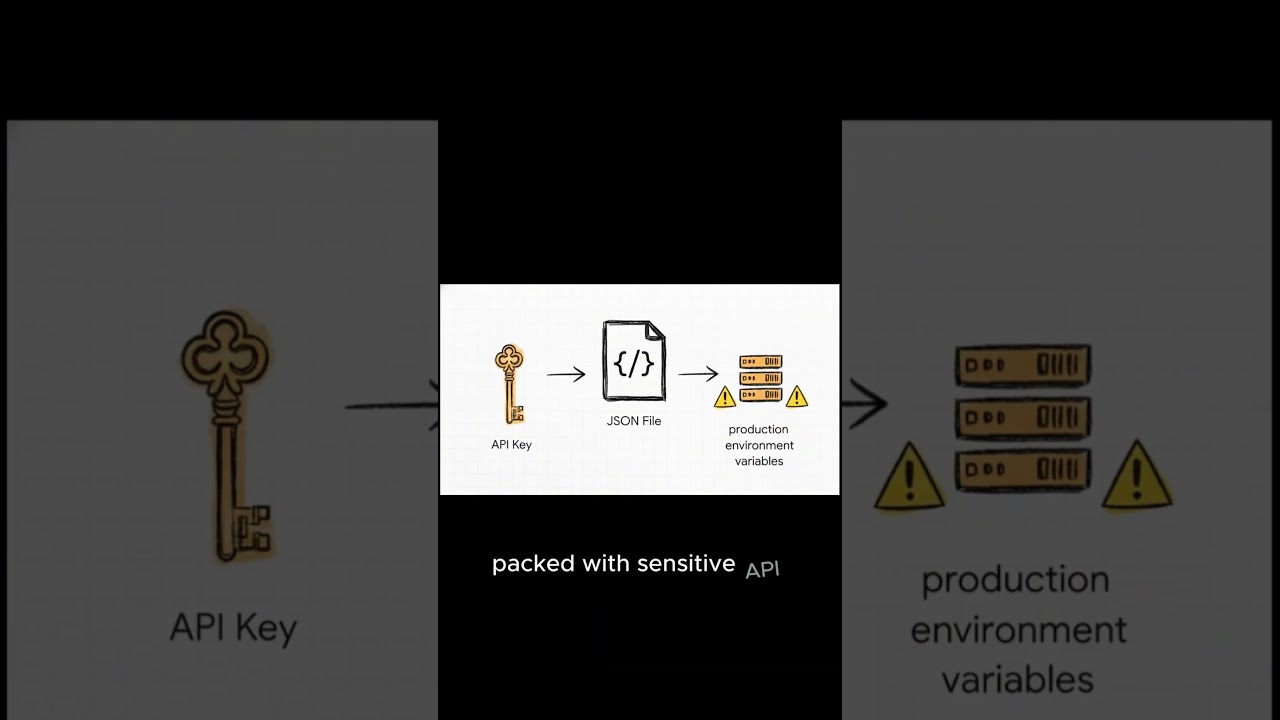
Every time you paste a production JSON schema, a live JWT, or an active API key into an ad-supported web utility to "make it pretty," you are handing over the keys to your kingdom. You treat these sites like magic boxes, but in reality, you are feeding a massive security honeypot.
One "convenient" paste bypasses every enterprise control your security team has built, transforming proprietary data into a permanent liability.
The Backend Trap: Why "Cloud" Formatting is a Surrender
If a tool sends a network request to a backend—whether it’s running Node, Python, or Go—your data is hitting a server log. When you use server-side tools, you expand your attack surface to include third-party infrastructure.
Without the cryptographic proof of a secure enclave, your data is exposed to:
- Infrastructure Breaches: If their server is popped, your formatted secrets are the prize.
- Credential Exfiltration: Compromised build pipelines can intercept data.
- Unauthenticated Persistence: Data is often written to persistent storage in plaintext.
What happens when you paste a JWT into an online decoder?
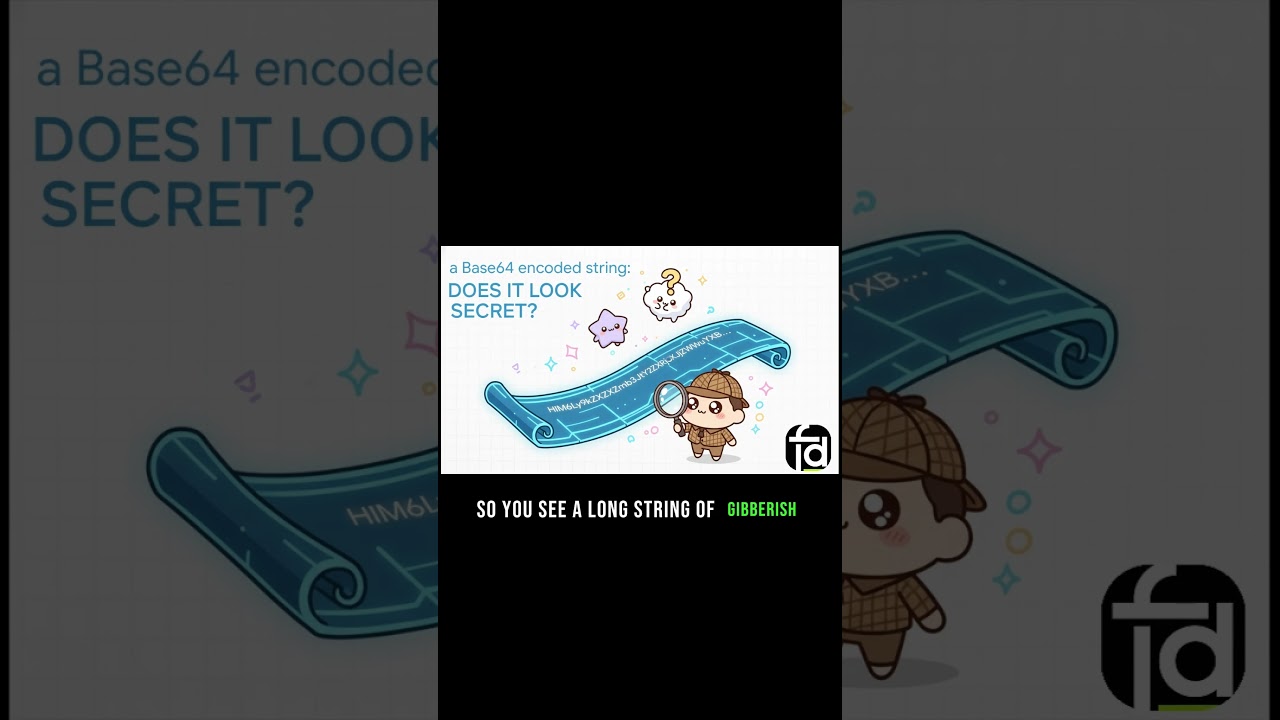
Stop treating online decoders like safe sandboxes. JWTs are signed, not encrypted. The payload is merely base64-encoded, which is an encoding scheme, not a security boundary.
When you use an online decoder, you follow a Data Leak Path:
- The Paste: You drop a token containing user IDs into the browser.
- The Network Request: The tool transmits that token to its server.
- The Server Log: The server writes the request—and your token—to a persistent log file.
- The Vector Index: Your data is indexed into vector databases like FAISS. Your production JWT becomes the "nearest neighbor" in a training set used by an attacker’s LLM (like ChatGPT or Claude) to generate exploit payloads.
This is why you must exclusively use a 100% local, offline JWT Decoder for debugging.
The 2026 Mandate: "Local-First" Architecture
The era of "convenience-first" development is a relic. The new industry standard is the Local-First Mandate. Tools must execute exclusively on the client side using JavaScript or WebAssembly (WASM) so that data never leaves the authorized device's browser memory.
How local-first execution protects enterprise secrets
Shifting to local-first tools neutralizes Man-in-the-Middle (MITM) attacks and supply chain poisoning by removing the server from the execution chain entirely. Use our offline JSON Formatter or local Base64 Encoder to ensure data sovereignty.
| Feature | Legacy Server-Based Tools | Modern Local-First Tools |
|---|---|---|
| Privacy | Zero. Data is transmitted. | Absolute. Data stays on-device. |
| Log Persistence | High. Requests are logged. | Zero Server Logs. |
| Attack Surface | Third-party infrastructure. | Local device memory only. |
| Trust Model | Implicit Trust ("Trust Me") | Cryptographic / Zero-Knowledge |
The "Unplugged" Litmus Test
I don't care what the "About" page says. Here is the only diagnostic that matters: If unplugging your internet router breaks your formatter or decoder, you are using a security vulnerability.
If your tool requires a round-trip to a server to perform a basic format or decode, it isn't a tool—it's a parasite.
Conclusion: Stop Being the Breach
There is no middle ground. Zero server logs is the only acceptable standard for tools handling JSON, JWTs, or secrets. Every "quick format" you’ve performed on a legacy site is likely already sitting in an LLM’s training set.
Switch to local-first AI redactors and offline tools now, or update your resume for the inevitable day your last paste appears in a breach notification. Stop being the breach.