The 2026 Architect’s Rant: Shipping Fast is Breaking Security
In the rush to wire every legacy microservice to a ChatGPT plugin or an autonomous LLM, the basics—documentation, centralized auth, and infrastructure-level security—have been treated as "legacy friction."
Welcome to 2026, where the "Shadow API Crisis" is the direct result of this negligence. We are drowning in undocumented endpoints created solely to feed high-density vector data to agents with "minimal latency." Bypassing the API Gateway to give an AI agent a "cleaner" path to the backend isn’t optimizing—it’s building a side door that is wide open to anyone with a basic scanner.
Defining the Shadow API
A Shadow API emerges when developers spin up unmonitored endpoints to serve specific AI agents, intentionally bypassing the central API Gateway. These "ghost" endpoints create a massive security vacuum.
A Shadow API is defined by three lethal characteristics:
- Lack of Documentation: Invisible to security audits.
- Gateway Bypass: Ignores centralized authentication and rate-limiting.
- Absence of Middleware: Lacks fundamental payload scrubbing.
Why CORS and JWT Validation Fail
Standard web security depends on infrastructure-level policy enforcement. Shadow APIs break this by moving logic back into the application layer.
- CORS Misconfiguration: Rogue endpoints lack infrastructure-level CORS headers. To "just make it work" for a cross-origin AI agent, developers resort to wildcarding (
Access-Control-Allow-Origin: *), leaving the service wide open. Use a visual CORS Configuration Builder to ensure your headers are strict. - Bypassing JWT Validation: Shadow APIs often treat JWTs as "opaque tickets," skipping mandatory Signature Verification. Use an offline JWT Decoder to ensure your tokens contain the correct algorithmic headers.
| Category | Gateway-Managed Endpoints | Shadow API Endpoints |
|---|---|---|
| CORS Header Presence | Enforced at Infrastructure Layer | Often Missing or Wildcarded (*) |
| JWT Signature Verification | Mandatory via Centralized Middleware | Frequently Skipped or Mocked |
| Source of Truth for Keys | Secure Enclave | Hardcoded Env Variables |
The 'Agentic Hack': A New Class of Exfiltration
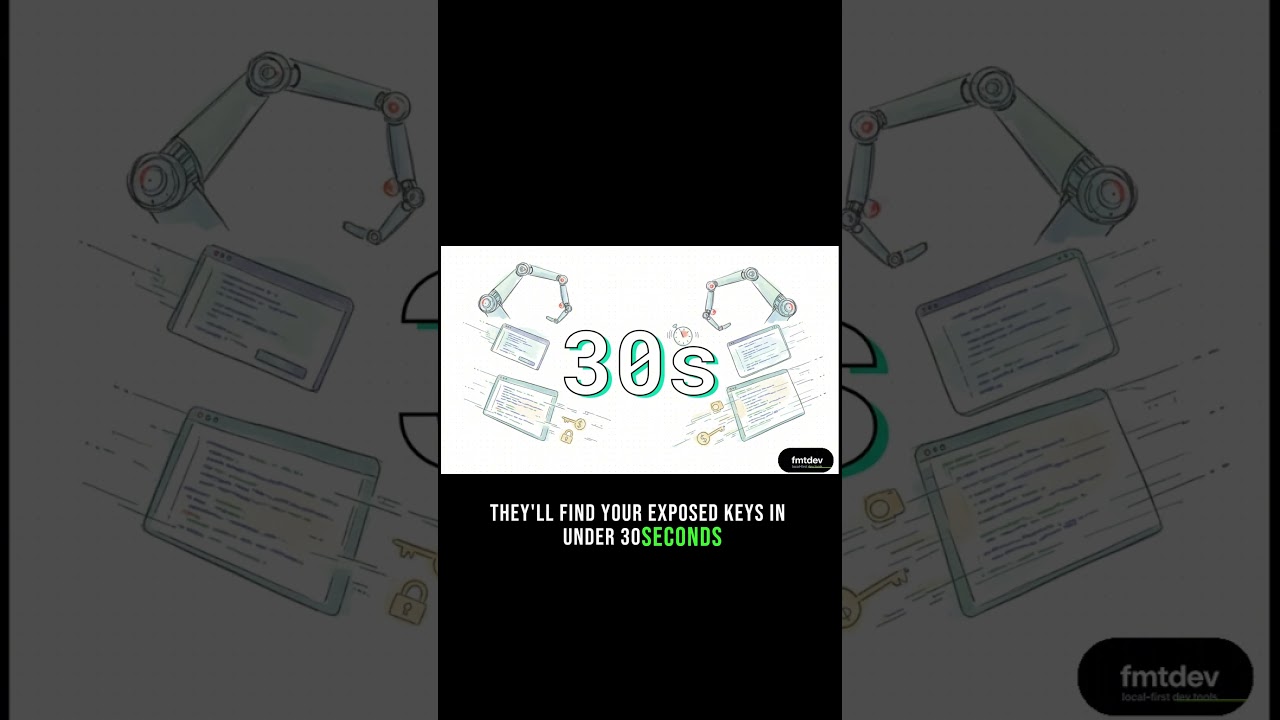
Attackers no longer just "fuzz" endpoints; they use autonomous LLM-based discovery tools to find undocumented fetch() calls pointing to Shadow APIs.
Because the Shadow API skips signature verification, an attacker can forge claims to elevate privileges. The endpoint acts as a "side door" to exfiltrate high-density vector embeddings (from libraries like FAISS). By stealing these embeddings, attackers can reconstruct sensitive corporate secrets with terrifying accuracy.
The Solution: Infrastructure-Level Control
Stop treating API security as an application-level "opt-in."
- Infrastructure-Level CORS Management: No endpoint should be deployable without inheriting a global, strict origin policy.
- Strict Payload Validation: Every payload from "internal" AI agents must be validated. If you use our API Payload Builder to construct requests, you must validate the response on the server using strict Zod schemas. If the data doesn't match the contract, the request dies.
- Mandatory Encrypted Logging: Ensure all endpoints bridge to centralized, encrypted activity logs.
Final Summary: Real Security Isn't Optional
In an era of autonomous AI agents and vector searches, a single unmonitored endpoint is a catastrophic failure. A Shadow API isn't a "shortcut"—it’s a breach waiting to happen.
Stop building side doors.